
Ethinylestradiol
Medicines containing Ethinylestradiol
Key points
- A synthetic oestrogen combined with a progestogen in contraceptive pills such as Mercilon, rather than used alone.
- Also treats acne and hirsutism by lowering androgen production, which can reduce excess oil and skin inflammation over time.
- Prevents pregnancy mainly by halting ovulation and increasing the thickness of cervical mucus, rather than through a single mechanism alone.
What is Ethinylestradiol?
Ethinylestradiol is a potent, man-made form of the hormone oestrogen. It is rarely used alone and is typically combined with progestogens to create oral contraceptives or therapies for hormonal imbalances. These combinations are designed to mimic natural hormonal cycles or suppress specific hormonal pathways, providing predictable outcomes for various reproductive and dermatological needs.
What Ethinylestradiol is used for
This ingredient is a cornerstone of Contraception to prevent unintended pregnancy. It is also effective in treating acne and managing symptoms associated with hirsutism or excess androgen production. Because of its ability to influence hormonal levels, it may also assist in addressing androgenetic alopecia in specific clinical scenarios.
How does Ethinylestradiol work?
Ethinylestradiol works by suppressing ovulation and thickening cervical mucus to prevent fertilization. In the context of dermatological conditions like Acne, it lowers the production of androgens, which are hormones that can trigger excess oil production and skin inflammation. By stabilizing these hormonal fluctuations, it reduces the severity of skin concerns over time.
Ethinylestradiol brands and forms
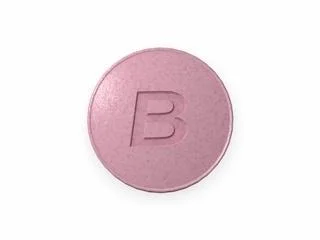
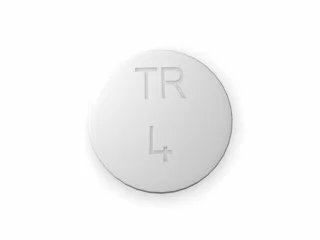
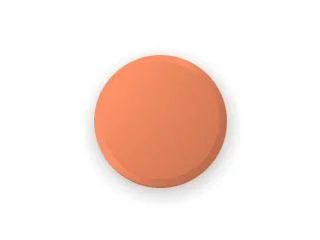
Elsewhere it is sold in many combined pills, such as Mercilon, Marvelon and Femilon, always paired with a progestogen. The pills listed here are tablets taken daily. Choosing between specific commercial brands often depends on the exact ratio of active ingredients needed for your medical goals.
Safety overview for Ethinylestradiol
What to check before using this medicine
Confirm that your health history does not include conditions worsened by oestrogen, such as history of blood clots or specific cardiovascular issues.
Possible reactions and tolerability
Some users may experience nausea, breast tenderness, or changes in mood when starting hormonal therapy. These effects often settle as your body adjusts to the hormonal intake.
Interactions and health factors
Certain medications, including some antibiotics and seizure treatments, may change how your body processes this hormone. Product labelling and verified clinical sources remain the correct references for specific contraindications, interactions and reactions.
What the sources say
- Combined oral contraceptives increase the risk of venous thromboembolic events such as deep vein thrombosis and pulmonary embolism. The rate of VTE in females using combined oral contraceptives has been estimated to be 3 to 9 cases per 10,000 woman years. (DailyMed)
- Cigarette smoking increases the risk of serious cardiovascular events from combined oral contraceptive use, and this risk increases with age, particularly in women over 35 years of age, and with the number of cigarettes smoked. Combined oral contraceptives are contraindicated in women who are over 35 years of age and smoke. (DailyMed)
- Ethinylestradiol is rapidly and almost completely absorbed from the gastrointestinal tract. Because of first-pass metabolism in gut mucosa and liver, its systemic bioavailability is approximately 43%. (DailyMed)
Further reading
Last updated